Black Tie Dress Code: The Complete Guide to Formal Evening Attire
The black tie dress code remains one of the most enduring symbols of elegance and sophistication in formal occasions. Whether you are attending a wedding, a charity gala, a prestigious award ceremony, or an upscale dinner party, understanding the nuances of black tie attire ensures you present yourself with confidence and style. This comprehensive guide breaks down every element of the black tie dress code, from essential garments to styling tips that will help you navigate formal events with ease.
The Essential Components of Black Tie Attire
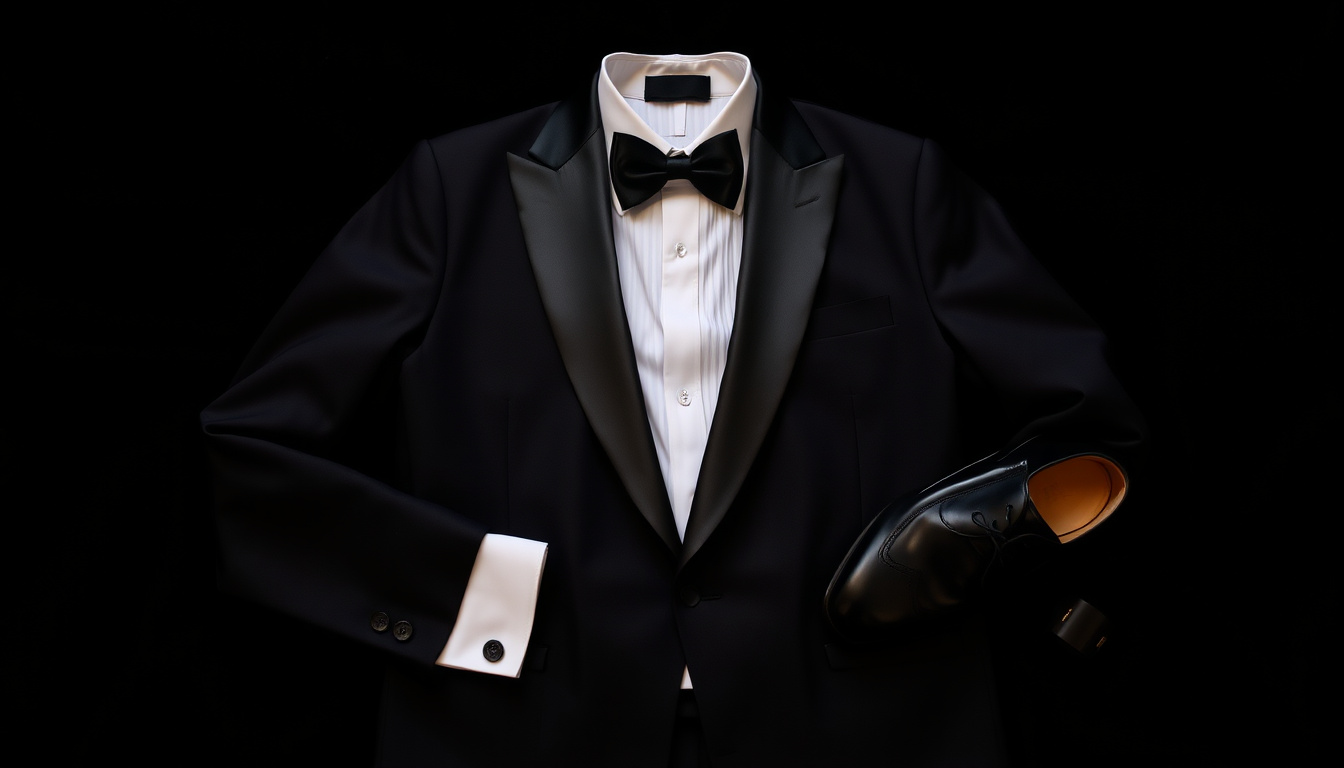
A proper black tie ensemble consists of several key elements, each contributing to the overall polished appearance expected at formal evening events. The foundation lies in the suit itself, which must be a dinner jacket crafted from black or midnight blue wool or a wool blend. Unlike standard suits, dinner jackets feature distinct styling details such as satin-faced lapels and often a single-button closure. Understanding these specifics helps ensure your outfit meets the event’s expectations.
The Dinner Jacket
The dinner jacket serves as the centerpiece of any black tie outfit. Traditional options include single-breasted styles with peak or shawl lapels, while double-breasted versions remain acceptable for more conservative events. The jacket should fit impeccably through the shoulders and torso, with sleeves ending precisely at the wrist to allow half an inch of shirt cuff to show. Many gentlemen opt for a custom-tailored jacket to achieve the perfect fit, though premium off-the-rack options from established formal wear retailers can also serve well.
The Trousers
Black tie trousers differ from standard dress pants in their construction. They feature a single braid of satin or grosgrain running down each outer seam, and they typically have no belt loops since they are worn with suspenders. The waistband is usually adjusted using side tabs or a side elastic band rather than a belt. Trousers should break gently over the shoe, creating a clean line without excessive bunching at the ankle.
Formal Shirt and Accessories
The shirt you choose beneath your dinner jacket plays a crucial role in achieving an authentic black tie look. A white French-front or piqué-front shirt with a turned-down collar represents the traditional choice. The studs that secure the shirt front should match—either all white mother of pearl or all black onyx, depending on your preference and the formality of the event. Some modern interpretations permit a plain-front shirt with hidden buttons, though the stud-detailed approach remains the gold standard for truly formal occasions.
Understanding Formal Footwear
Shoes complete your black tie ensemble and deserve careful consideration. Patent leather oxford shoes represent the most traditional choice, featuring a high-shine finish that complements the formality of the occasion. These shoes are distinguished by their closed lacing system and the distinctive patent leather that catches light beautifully under evening illumination. Alternatively, opera pumps in black velvet or patent leather offer a sophisticated alternative, particularly for events where dancing is anticipated.
Navigating Black Tie Variations
Not all black tie events carry identical expectations, and understanding the distinctions between formal, creative, and themed occasions helps you dress appropriately. Some galas permit creative interpretations, including colored dinner jackets or unique accessories, while others demand strict adherence to traditional guidelines. When uncertain, erring on the side of conservatism demonstrates good judgment and respect for your hosts.
Regional and Cultural Considerations
Black tie conventions can vary by region and institution. In North America, midnight blue dinner jackets have gained acceptance as an alternative to traditional black, particularly during summer months or in warmer climates. European events may embrace slightly more relaxed interpretations, while certain prestigious institutions maintain extraordinarily rigid dress standards. Researching specific venue traditions before attending ensures you meet or exceed expectations.
Accessorizing with Precision
The accessories you select can elevate your black tie ensemble from appropriate to outstanding. A well-chosen cummerbund, worn at the natural waist, covers the shirt buttons and creates a streamlined silhouette. The cummerbund should feature horizontal pleats facing upward, in keeping with tradition that traces back to its original purpose of concealing coins in one’s pocket. Alternatively, a low-cut waistcoat in matching black creates a more formal appearance, particularly appropriate for the most prestigious occasions.
The Bow Tie Question
The bow tie remains non-negotiable for authentic black tie dress. Pre-tied bow ties offer convenience, though a self-tied bow tie demonstrates attention to detail and traditional savoir-faire. The bow should sit properly beneath the collar, with symmetrical loops and appropriately sized proportions. Black silk twill or barathea represents the classic choice, though velvet bow ties add textural interest for winter events.
Understanding Event-Specific Requirements
Different occasions may warrant subtle variations in your black tie attire. Award ceremonies and galas typically embrace the most traditional interpretations, while corporate events might permit slightly more flexibility. Wedding celebrations often specify black tie on their invitations, indicating the level of formality guests should achieve. Understanding these distinctions prevents both over-dressing and under-dressing for any given occasion.
Common Black Tie Mistakes to Avoid
Several frequent errors can undermine an otherwise well-assembled black tie outfit. Wearing a standard business suit instead of a proper dinner jacket immediately signals unfamiliarity with formal dress codes. Choosing a clip-on bow tie rather than a self-tied version, though common, represents a missed opportunity to demonstrate attention to detail. Neglecting the fit of your jacket, particularly in the shoulders and sleeves, creates an unkempt appearance that no accessory can remedy.
Tactical Errors in Accessory Selection
Accessory missteps often prove most damaging to an otherwise successful ensemble. A long tie worn beneath a dinner jacket violates the fundamental principle that dinner jackets require bow ties only. Pocket squares should complement rather than match the bow tie, and a white linen square represents the safest choice. Oversized cufflinks or excessive jewelry distracts from the elegant simplicity that black tie embodies.
The Evolution of Black Tie Tradition
Black tie emerged in the late nineteenth century as a less formal alternative to the even more elaborate evening attire of the era. Edward VII’s modifications to evening dress codes established many conventions that persist today, including the替换领结的普及. Throughout the twentieth century, black tie maintained its position as the standard for social occasions requiring formal attire, surviving fashion cycles that transformed virtually every other dress category. Today, black tie represents both tradition and timeless elegance, offering a reliable framework for dressing appropriately at formal events.
Expert Insights on Formal Dress
Style authorities consistently emphasize that fit trumps brand names when assembling black tie attire. A well-tailored off-the-rack dinner jacket frequently outperforms an ill-fitting bespoke option. Similarly, investing in quality accessories demonstrates the attention to detail that formal occasions reward. Many wardrobe consultants recommend building a black tie wardrobe gradually, beginning with a classic dinner jacket and expanding to include variations in color and fabric over time.
Professional Tailoring Considerations
The difference between adequate and exceptional black tie attire often lies in tailoring. Even premium garments typically require adjustments to achieve a truly polished appearance. The shoulders must sit perfectly flat, the waist should be taken in appropriately, and the sleeves should end at precisely the right length. Many men find that working with an experienced tailor transforms a standard dinner jacket into a garment that looks custom-made for their frame.
Summary: Mastering Black Tie Confidence
Understanding black tie dress code empowers you to navigate formal occasions with confidence and style. The essential elements include a well-fitted dinner jacket in black or midnight blue, proper trousers with decorative braiding, a white formal shirt with appropriate studs, and patent leather or velvet footwear. Accessories including a self-tied bow tie, cummerbund or waistcoat, and understated cufflinks complete the ensemble. Remember that fit and quality outweigh brand names, and when uncertain, conservative choices demonstrate good judgment. With this foundation, you can approach any black tie event assured that your appearance honors both the occasion and its traditions.
Frequently Asked Questions
What is the difference between black tie and formal dress code?
Black tie is a specific subset of formal attire with clearly defined elements: a dinner jacket, black trousers with braiding, a white dress shirt, a bow tie, and patent leather shoes. General formal dress code may permit dark suits with ties instead, while black tie demands these exact components. Understanding this distinction ensures you dress appropriately for each occasion.
Can you wear a black suit instead of a dinner jacket for black tie?
No. A standard black suit, even with a white shirt and bow tie, does not meet black tie requirements. The dinner jacket’s satin-faced lapels and distinct construction distinguish it from everyday suits. Wearing a dinner jacket demonstrates that you understand and respect the specific dress code expectations of formal evening events.
Are colored bow ties acceptable at black tie events?
Traditional black tie dress codes require black bow ties only. However, some creative black tie events permit colored or patterned bow ties as a stylistic choice. When invitations specify “creative black tie,” you have more latitude. For standard black tie occasions, stick with black silk to ensure your appearance remains appropriate.
What accessories are required for black tie dress?
Essential accessories include a black bow tie, white pocket square, cufflinks (gold, silver, or mother of pearl), and black patent leather shoes. A cummerbund or waistcoat adds traditional polish. Optional additions include a dress watch with a black strap and formal outerwear such as a black topcoat for traveling to and from events.
How should a black tie outfit fit?
A black tie jacket should fit close to the body without tightness, with shoulders lying flat and sleeve length allowing half an inch of shirt cuff to show. The trouser waist should sit at the natural waist with no bunching or gap. Professional tailoring typically proves necessary to achieve this precise fit, even with custom-made garments.
Related stories





Nathan Brooks covers federal and provincial politics and public policy for Canada Edition.