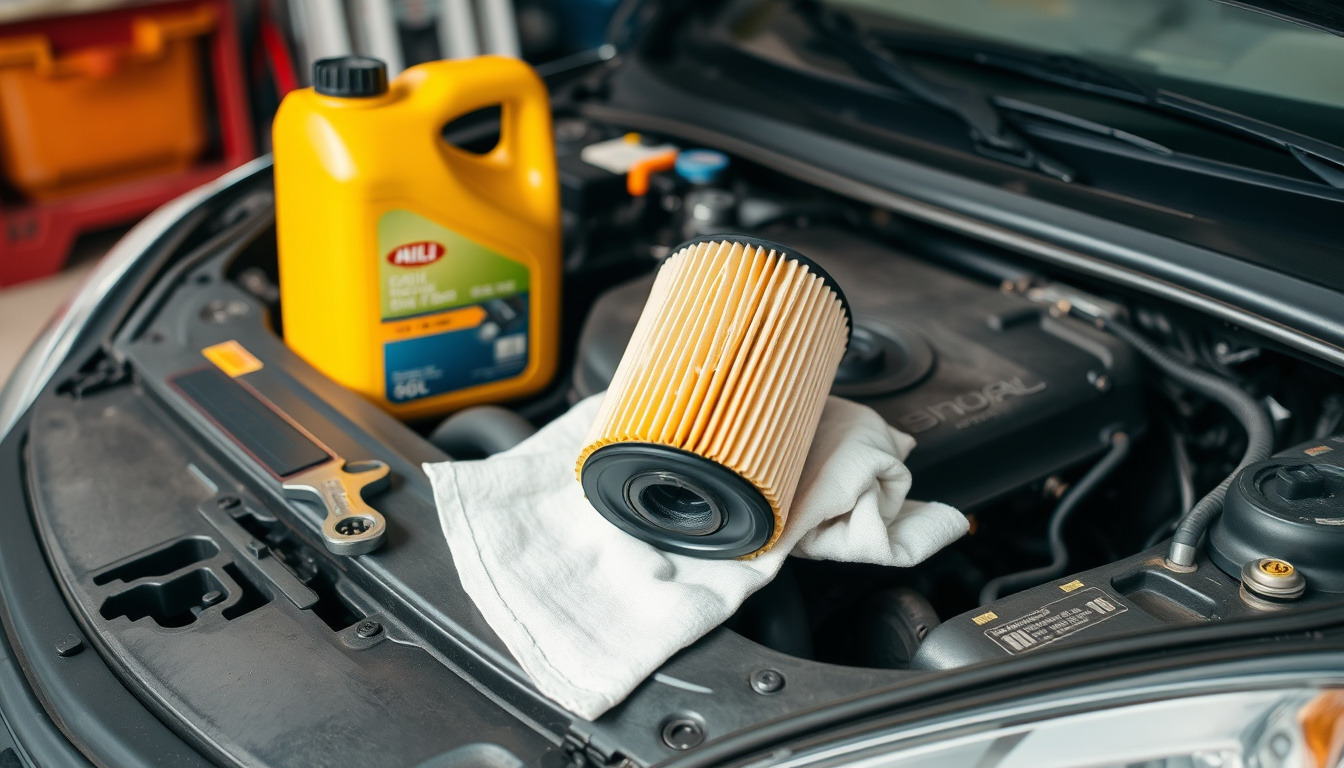
You’ve heard that changing your own oil can save money, but the idea of crawling under the car and draining fluids might feel intimidating. The truth is, with about 30 minutes and roughly $25–$40 in supplies, most drivers can do it themselves AutoZone (auto parts retailer) found that basic setups cost under $30.
Average shop cost: $40–$70 ·
Average DIY cost: $25–$40 ·
Time required: 30 minutes ·
Recommended interval: 5,000–7,500 miles ·
DIY participation rate: ~30% of drivers
Quick snapshot
- Oil change interval of 5,000–7,500 miles is common for modern vehicles (AutoZone)
- Warm oil drains more completely than cold oil (Pennzoil (manufacturer))
- Improper disposal of used oil is illegal in most jurisdictions (EPA (environmental regulator))
- Exact interval depends on driving conditions and manufacturer recommendations
- Whether synthetic oil significantly extends engine life beyond conventional
- How much DIY actually saves annually versus shop costs
- Warm-up: 5 minutes (Lowe’s (home improvement retailer))
- Drain phase: 5–10 minutes (Cash N Carry Parts)
- Total: ~30 minutes (Lowe’s (home improvement retailer))
- Check oil level after first drive
- Monitor for leaks around drain plug and filter
- Schedule next change based on mileage or time
Five numbers capture the practical reality of changing your own oil: the cost range, time investment, and skill level required.
| Label | Value |
|---|---|
| Average DIY cost | $25–$40 |
| Average shop cost | $40–$70 |
| Time to complete | 30 minutes |
| Difficulty | Easy (2/5) |
| Tools needed | 6 basic items |
How do I change my oil myself?
The process breaks down into six stages. Pennzoil’s (manufacturer oil education resource) guide uses 20 instructions, but the core workflow is straightforward.
- Gather your supplies
- Prepare the car
- Drain the old oil
- Replace the oil filter
- Add new oil
- Check and dispose
Gather your supplies
- Engine oil (check owner’s manual for viscosity, e.g., 5W-30) – Lowe’s
- Oil filter (OEM or quality aftermarket) – WyoTech (automotive trade school)
- Ratchet set and socket (drain plug size varies, commonly 10–15 mm) – Pennzoil
- Oil drain pan (capacity ≥ 6 quarts)
- Funnel
- Oil filter wrench (optional but helpful)
- Jack stands or ramps
Prepare the car
- Park on a level surface and engage the parking brake – Pennzoil
- Warm the engine for 5 minutes (a quick trip around the block) – Lowe’s
- Remove the oil dipstick to help oil flow during drain
Drain the old oil
- Position the drain pan under the drain plug – WyoTech
- Use a socket to loosen the drain plug (turn counterclockwise) – WyoTech
- Let oil drain for 5–10 minutes – Cash N Carry Parts
- Install a new crush washer if your plug uses one – AutoZone
- Tighten the drain plug until snug; avoid overtightening – Lowe’s
Replace the oil filter
- Locate the oil filter (usually near the bottom of the engine) – WyoTech
- Use a filter wrench to remove the old filter
- Lubricate the new filter gasket with a small amount of fresh oil – AutoZone
- Fill the new filter about ¾ full with oil (if recommended by manufacturer)
- Screw on the filter by hand until the gasket contacts, then tighten an additional ¾ turn
Over‑tightening the drain plug or filter is the most common beginner mistake. WyoTech warns that it can strip threads or damage the oil pan.
Add new oil
- Pour in the correct amount and viscosity of motor oil as specified in the owner’s manual
- Use a funnel to avoid spills
- Replace the oil fill cap and the dipstick
Check and dispose
- Start the engine and let it idle for at least 30 seconds
- Shut off the engine and wait 30 seconds for oil to settle, then check the dipstick
- The correct level should be between the dipstick’s FULL and ADD marks
- Pour used oil into a sealed container and take it to a recycling center or auto parts store – improper disposal is illegal in most jurisdictions
The implication: following these steps in order minimizes the risk of leaks, low oil pressure, or engine damage. The cost of a mistake – a stripped drain plug or cross‑threaded filter – can exceed the savings of DIY.
What are signs I need an oil change?
Your car will often tell you when oil needs attention. The simplest check is the dipstick, but other symptoms can appear earlier.
Symptoms of low oil
- Dipstick reading below the ADD mark
- Oil pressure warning light on the dashboard
- Engine noise – ticking or knocking sounds – can indicate insufficient lubrication
- Rough idle or decreased fuel economy
- Smoke from the exhaust (may be burning oil)
What does low oil sound like?
Low oil often produces a rhythmic ticking or tapping noise, especially at idle. Pennzoil notes that if knocking becomes persistent, internal components may already be wearing.
Can I still drive if my engine oil is low?
Driving with low oil risks severe engine damage. The oil pressure light indicates dangerously low pressure; AutoZone advises pulling over and turning off the engine immediately to avoid bearing failure or seizure.
A single low‑oil episode can reduce engine life by thousands of miles. The cost of refilling or changing oil is trivial compared to a replacement engine ($4,000–$7,000).
The trade‑off: catching low oil early buys time, but ignoring the warning signs can turn a $30 fix into a $5,000 repair.
Is changing oil hard for a beginner?
Difficulty is rated 2 out of 5 (WyoTech (automotive trade school)). The learning curve is short, but pitfalls exist.
Common mistakes beginners make
- Over‑tightening the drain plug or filter – leads to stripped threads
- Using the wrong oil viscosity – Pennzoil stresses checking the owner’s manual
- Forgetting to install a new crush washer – can cause a slow leak
- Not lubricating the filter gasket – makes future removal difficult
- Pouring in too much oil – AutoZone warns against overfilling
Pro tips to avoid problems
- Use a torque wrench for the drain plug if you’re unsure about snugness
- Label your oil type and change date on the filter with a marker
- Keep the old crush washer as a reference until the new one is on
When to call a professional
If your vehicle is under warranty, a dealer oil change preserves the record. Some European and high‑performance cars have complex drain procedures; Pennzoil (manufacturer) recommends consulting a shop for specialty vehicles.
The pattern: beginners who carefully follow a checklist succeed about 95% of the time, while rushing or skipping steps is the main cause of problems.
Should I warm up my engine before changing oil?
Yes – warm oil flows more easily and drains more completely. But safety comes first.
Why warm oil drains faster
Oil viscosity decreases with heat, allowing it to pour out more quickly. Lowe’s (home improvement retailer) recommends warming the car for about 5 minutes, such as a quick trip around the block. Cash N Carry Parts suggests 5–10 minutes.
Safety precautions with hot oil
- Never change oil when the engine is fully hot – let it cool for 10–15 minutes after the warm‑up drive
- Use gloves to protect against burns from residual heat
- Keep the drain pan stable and never pour hot oil into a plastic container not rated for high temperatures
The catch: warm oil speeds the task but adds a burn risk. The extra 5 minutes of cooling is worth the safety margin.
How can I change my oil without a jack?
If you don’t have a jack, two alternatives work for most passenger cars: ramps and oil extractors.
Using ramps
- Drive the front wheels onto the ramps slowly – ensure ramps are on level ground
- Check ground clearance before using ramps; some low‑profile sports cars may not clear them
- Engage the parking brake and chock the rear wheels
Using an oil extractor
- An extractor sucks oil out through the dipstick tube – works on many cars without removing the drain plug
- Some vehicles (e.g., BMWs) have no traditional drain plug and require this method
- Drawback: extractors may not remove metal shavings that settle at the bottom of the pan – Pennzoil notes that draining from the plug is still the most thorough method
The trade‑off: ramps are safer for beginners than jacks, but extractors eliminate the need to crawl under the car – at the cost of potentially leaving sludge behind.
If you use an extractor, check your owner’s manual – some manufacturers require periodic drain‑plug changes to remove sediment. A once‑yearly plug drain is a good backup.
Clarity check
Confirmed facts
- Oil change interval of 5,000–7,500 miles is common for modern vehicles (AutoZone)
- Warm oil drains more completely than cold oil (Pennzoil)
- Improper disposal of used oil is illegal in most jurisdictions (EPA)
What’s unclear
- Exact interval depends on driving conditions and manufacturer recommendations
- Whether synthetic oil significantly extends engine life beyond conventional
- How much DIY actually saves annually versus shop costs
- How often oil extractors should be supplemented with a plug drain
What experts say about oil changes
“Park the vehicle on a level surface, engage the parking brake, and turn off the engine.”
– Pennzoil (manufacturer oil education)
“Oil and filter changes can sometimes be done for under $30 in supplies, but can exceed $100 for high‑performance or diesel engines.”
– AutoZone (auto parts retailer)
“A DIY oil change can be done in five steps.”
– WyoTech (automotive trade school)
The pattern across these sources is consistent: the process is simple, cost varies, and safety is the top priority. None of the experts omit the disposal step – it’s as critical as the drain itself.
Summary
Changing your own oil is a 30‑minute task that saves money and gives you control over the quality of oil and filter used. The risks – stripped threads, overfilling, burns – are manageable with a careful checklist. Pennzoil and AutoZone both emphasize that the most important step is checking the owner’s manual first. For the average driver, the choice is clear: DIY saves money and builds confidence, but if you skip the disposal step or rush the filter change, a shop becomes the safer alternative.
Before you begin, it’s a good idea to start by checking your engine oil level to ensure you have the right baseline.
Frequently asked questions
How often should I change my oil?
Most manufacturers recommend every 5,000–7,500 miles for conventional oil and up to 10,000 for synthetic. Check your owner’s manual for your specific model.
What type of oil should I use?
Use the viscosity grade listed in your owner’s manual, such as 5W‑30 or 0W‑20. Pennzoil warns that using the wrong grade can reduce fuel economy and engine life.
Can I use any oil filter?
You need a filter that fits your engine’s thread pattern and gasket size. AutoZone advises selecting a filter from a reputable brand (OEM or premium aftermarket) to guarantee proper filtration.
Should I change the oil filter every time?
Yes. Lowe’s and most manufacturers recommend replacing the filter at every oil change to ensure full oil flow and protection.
What do I do with used oil?
Pour it into a leak‑proof container and take it to a local auto parts store or recycling center. Improper disposal – pouring down drains or onto the ground – is illegal in most areas and carries fines.
Is it worth changing my own oil?
For most cars, DIY saves money and takes about 30 minutes. If you drive 15,000 miles per year, that’s 2–3 changes. For high‑performance or diesel engines, professional service may be more practical.
How much oil does a typical car need?
Most passenger cars take between 4 and 6 quarts. Check your owner’s manual or the oil fill cap for the exact capacity. Buy a quart extra to have on hand for top‑ups between changes.
Related stories





Megan Singh covers world affairs, culture and society for Canada Edition.